Engineering insights from 9+ years of building at scale.
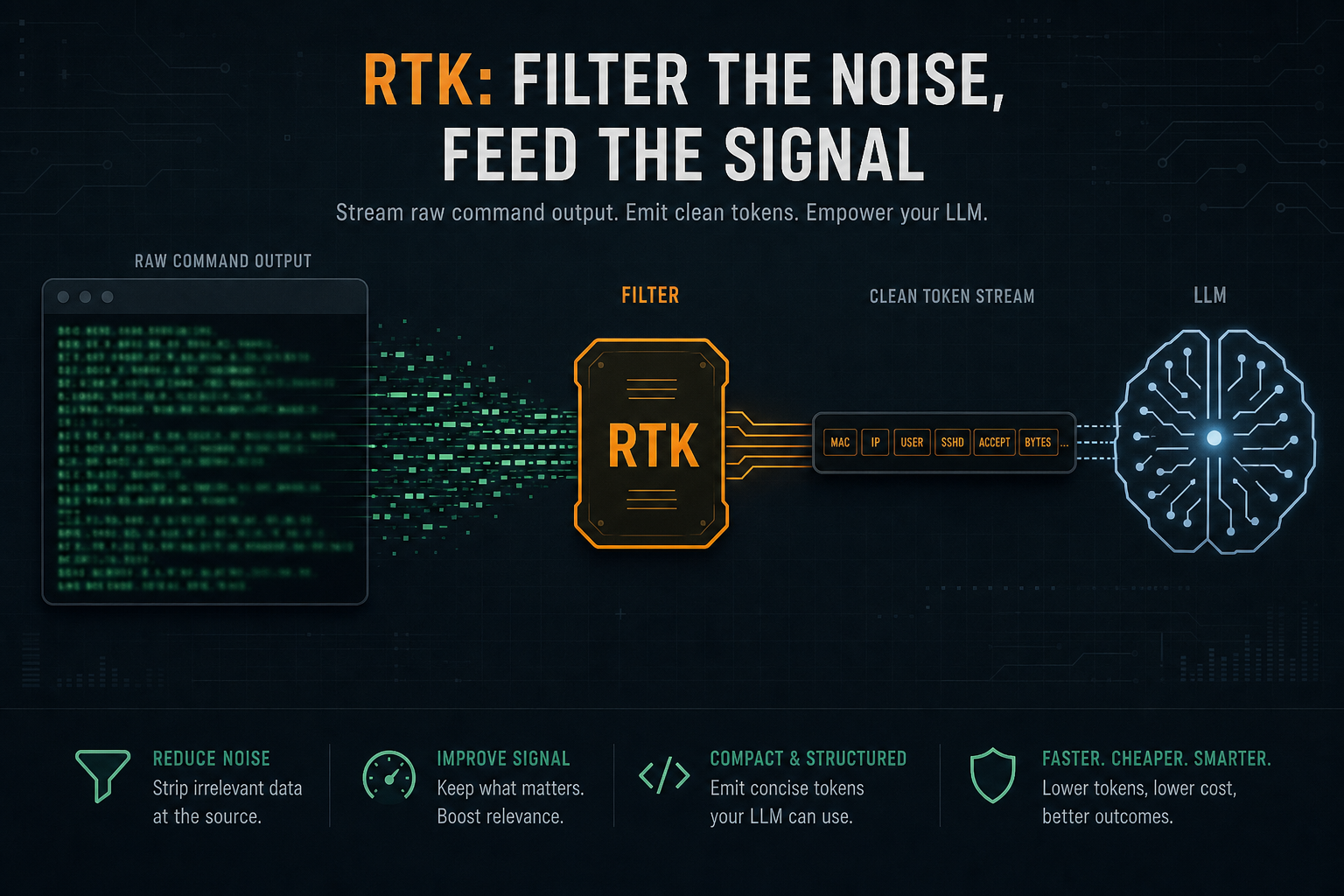
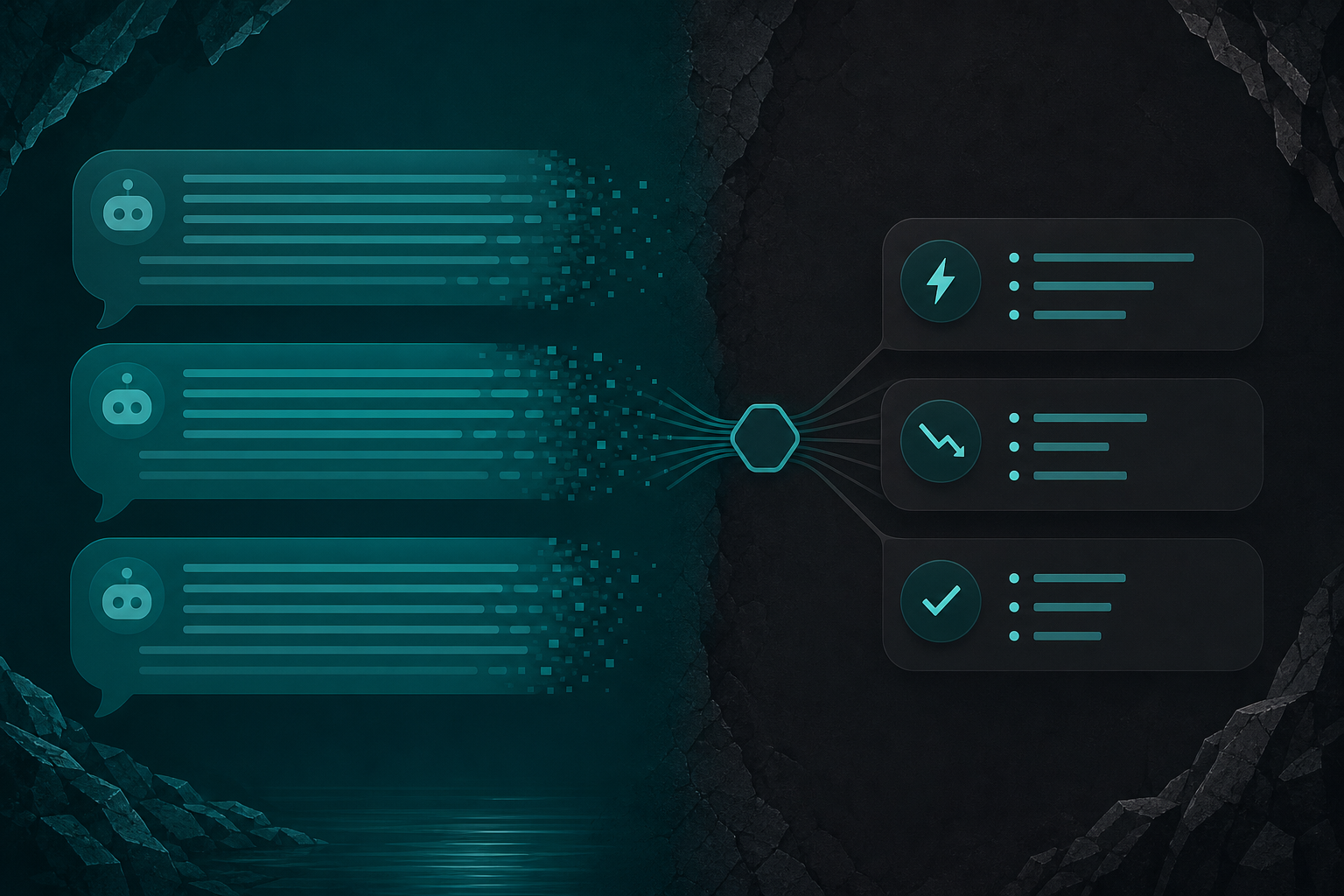
Caveman compresses what agents say. RTK compresses what they read — filtering git, tests, and ls before that noise burns your context window. Here's how I wired it into Cursor and Claude Code.
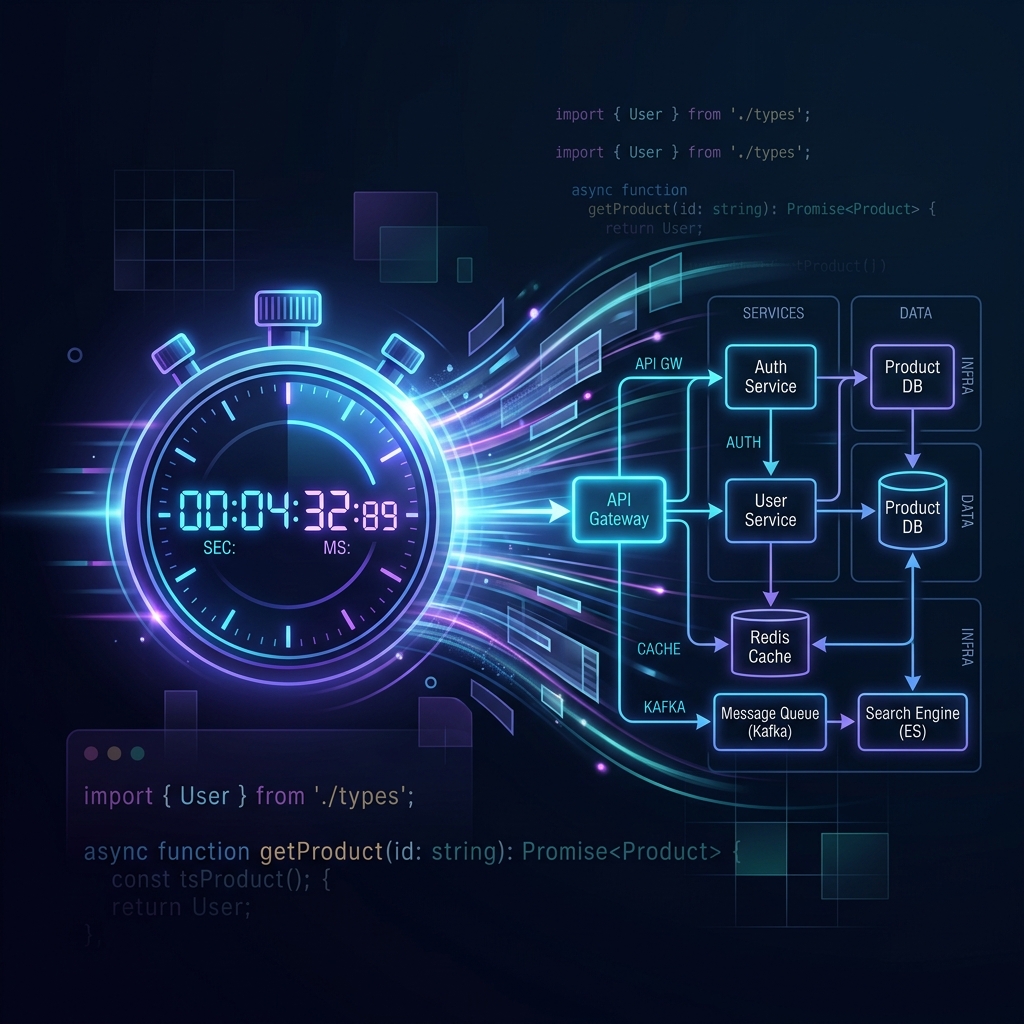
A practical, time-boxed framework to go from a blank page to a signed-off technical architecture in exactly 120 minutes.
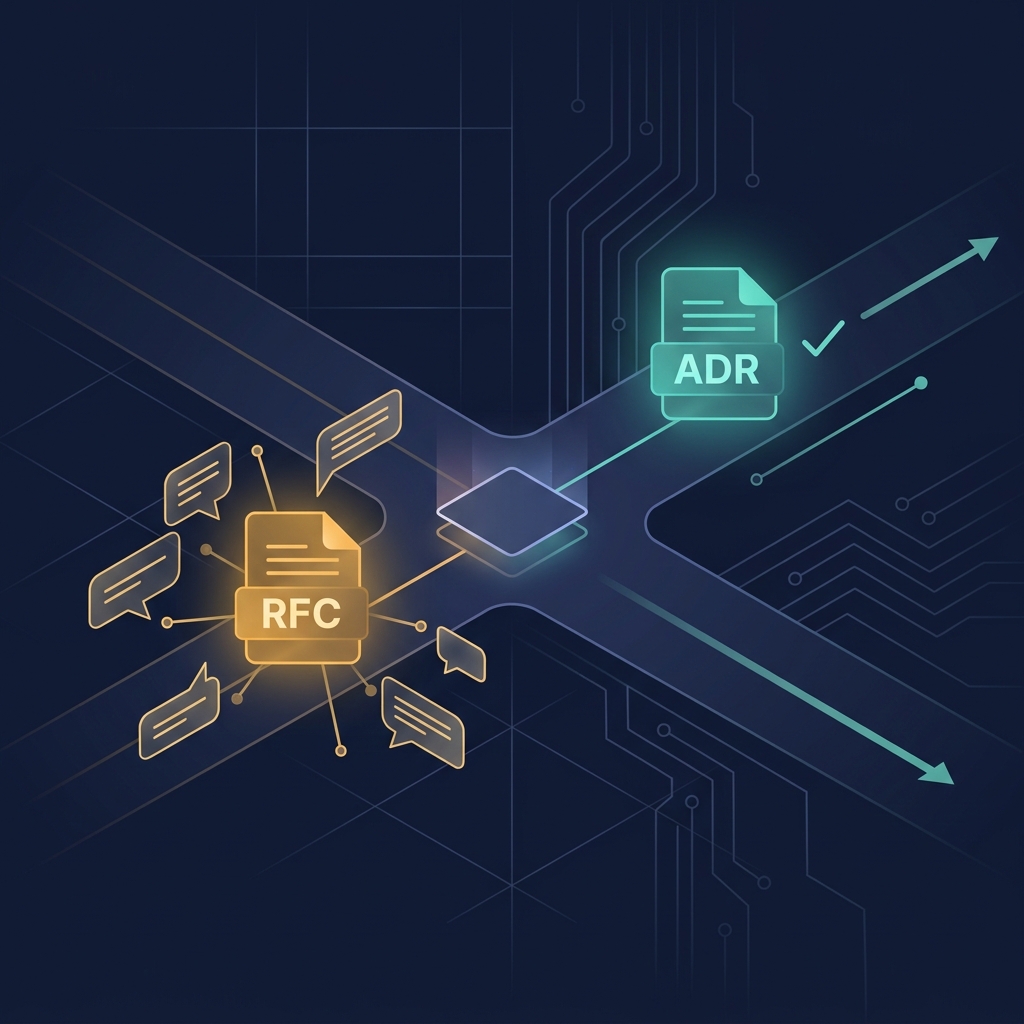
Most teams pick one and force every decision through it. After authoring 40+ engineering standards across enterprise and startup contexts, here's the framework I use to choose between RFCs and ADRs — and when to skip both.
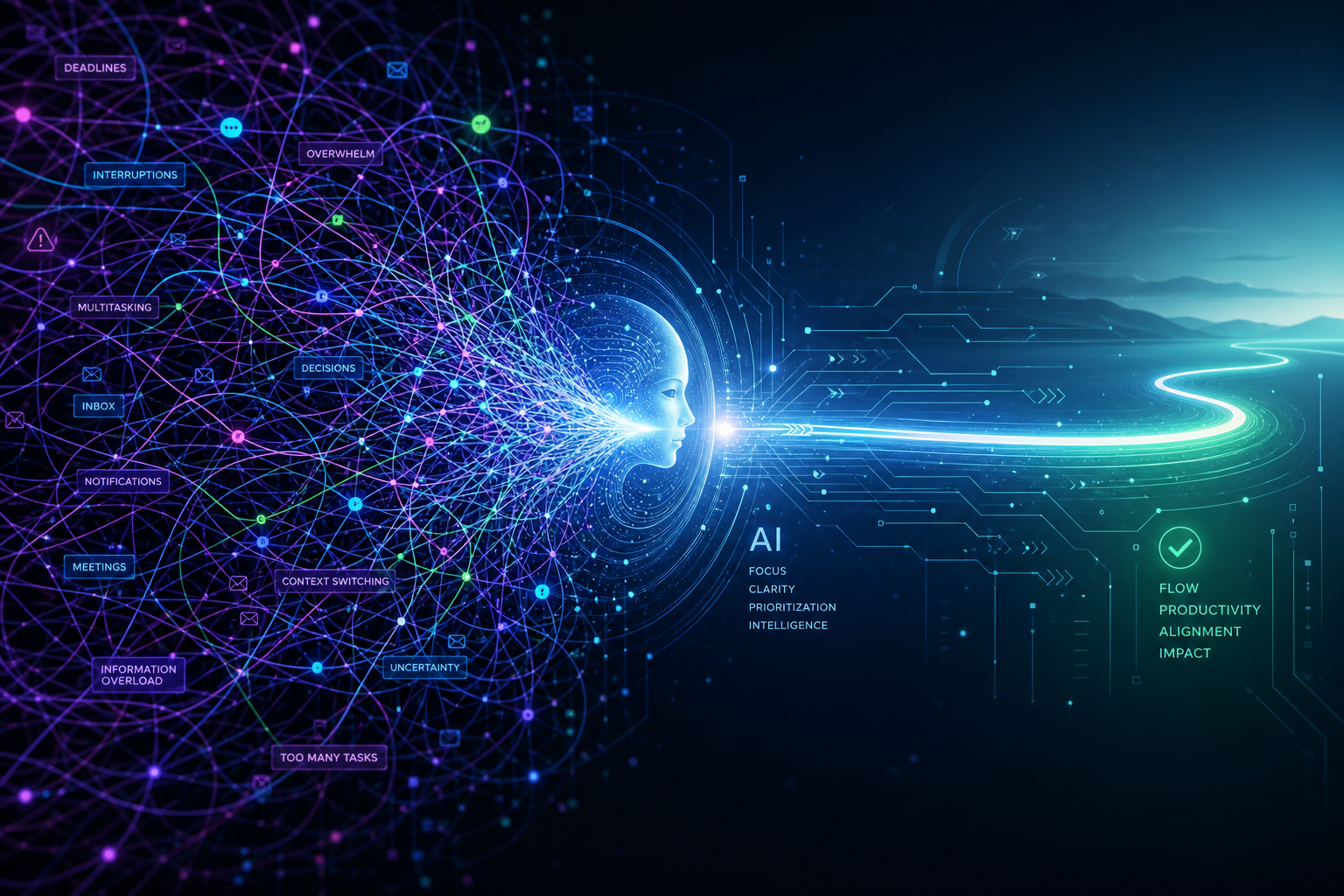
How modern engineering leads transition from manual coding to AI orchestration, leveraging agentic CI/CD workflows to recover six hours per week and reduce cognitive load.
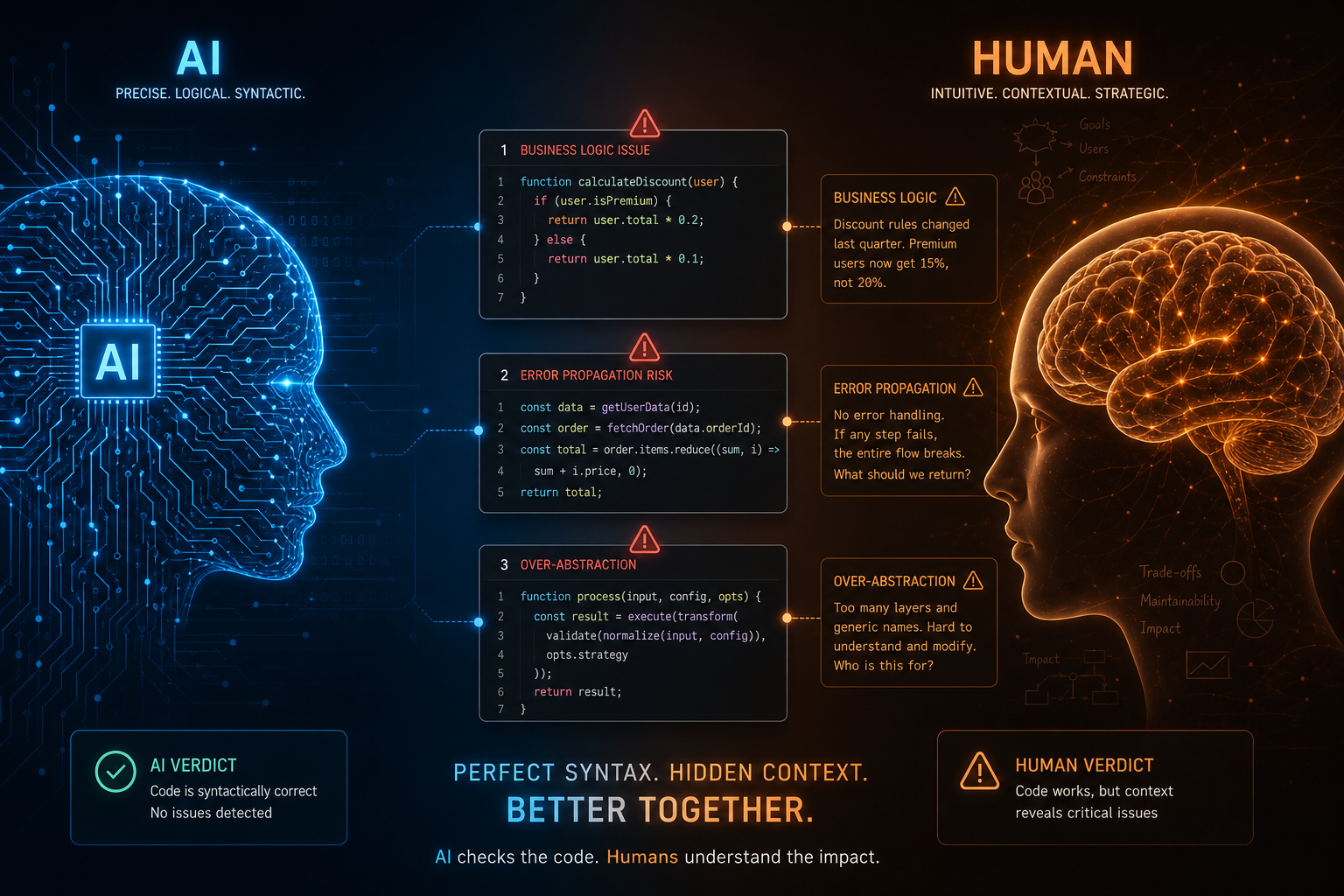
After integrating AI coding assistants into production workflows, I've learned they excel at syntax but fail spectacularly at context—here are the three code smells only human engineers catch.
I tracked every session where Caveman mode was actually active — Docker refactors, PDF fixes, PR review loops, and an always-on Electron project. Here's what ~68,000 output tokens of compressed agent replies looked like in practice.
We've all felt the drag of cognitive load in software development. As an experienced engineer, I've seen firsthand how AI agents, strategically integrated into our DevEx platforms, can transform this burden into a seamless 'golden path,' significantly boosting productivity and quality.
AI agents can generate PRs at superhuman speed — but merging them without scrutiny is how you ship technical debt at scale. Here are the 5 questions I ask before every agent-generated PR gets approved.
I use both Cursor and Claude Code daily across enterprise workstreams. After 6 months, I've developed a clear mental model for when each tool earns its place—and the answer isn't what most comparison posts suggest.
Developer experience isn't just about faster builds and AI autocompletion. It's about treating your internal engineering workflow as a tier-one product to reduce cognitive load and eliminate paper cuts.
The role of tech lead has fundamentally shifted from writing code to orchestrating AI agents. Here's my framework for managing three concurrent engineering workstreams with AI teammates that never sleep.
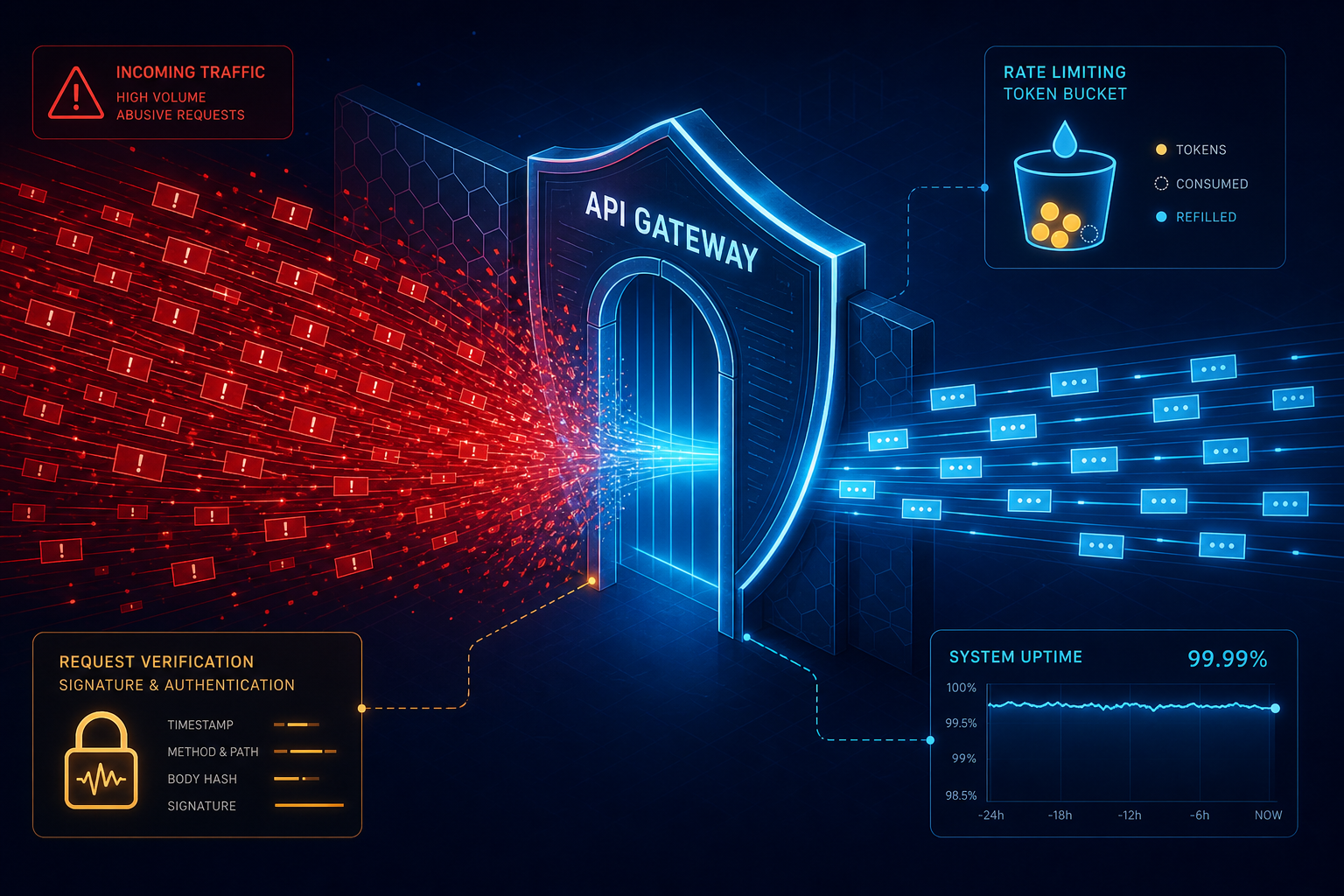
How I implemented rate limiting and request signing to protect a fintech platform serving 400K+ users from abuse — while keeping the system reliable for legitimate traffic.
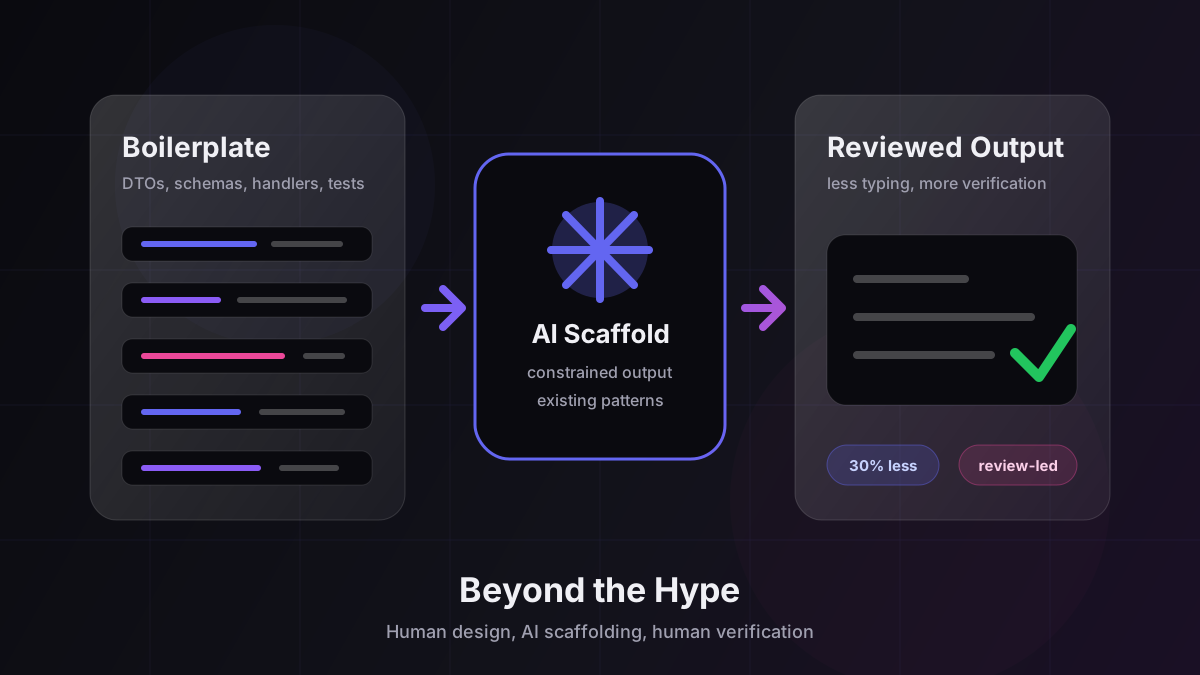
AI coding assistants didn't magically write our features—but a disciplined, three-lane workflow cut boilerplate-heavy effort by 30%. Here's exactly what worked and what didn't.
Our Node.js containers kept crashing under load despite 40% heap headroom. The culprit wasn't a memory leak — it was the allocator itself.
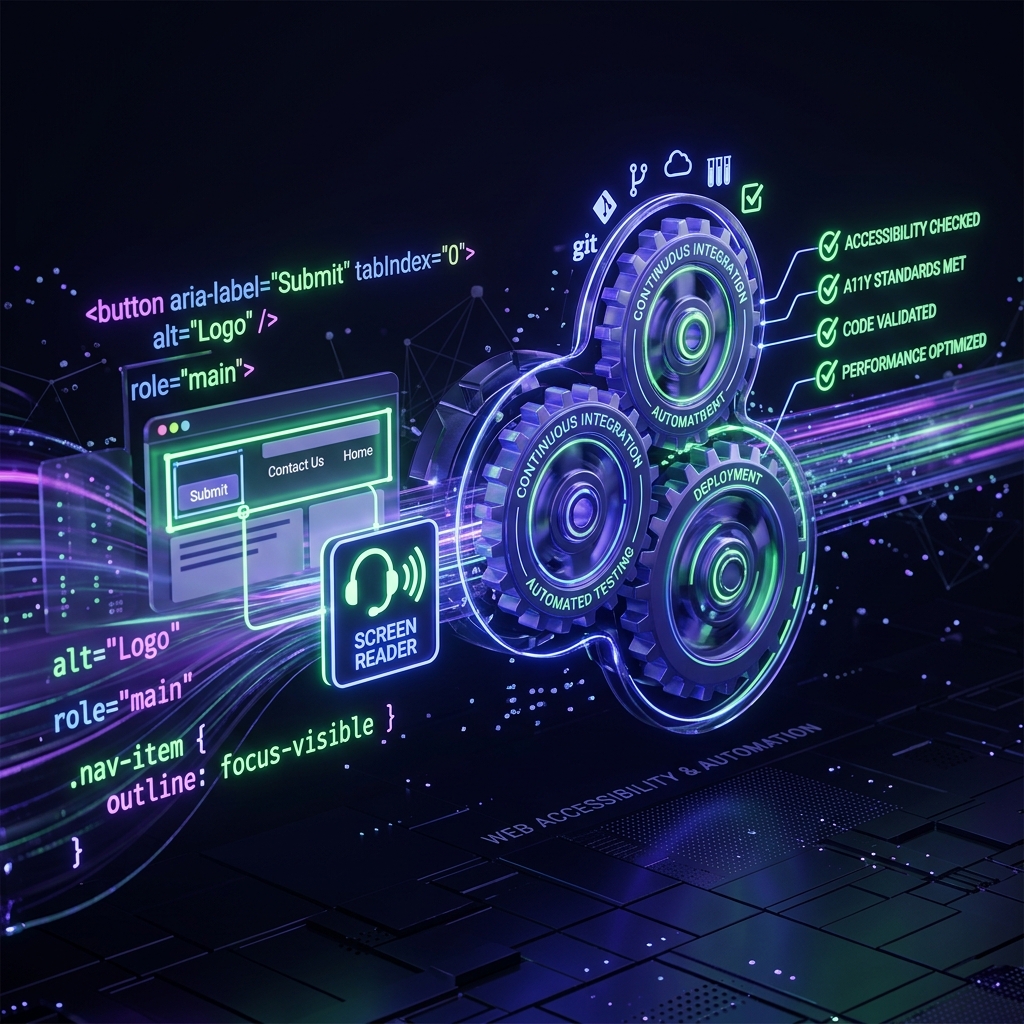
Discover how to integrate automated accessibility auditing tools directly into your React development workflow and CI/CD pipelines to guarantee WCAG 2.1 AA compliance before shipping code.
How we stopped relying on disjointed dashboards to debug production issues, and built a unified telemetry pipeline using SLOs, OpenTelemetry, and structured logging.
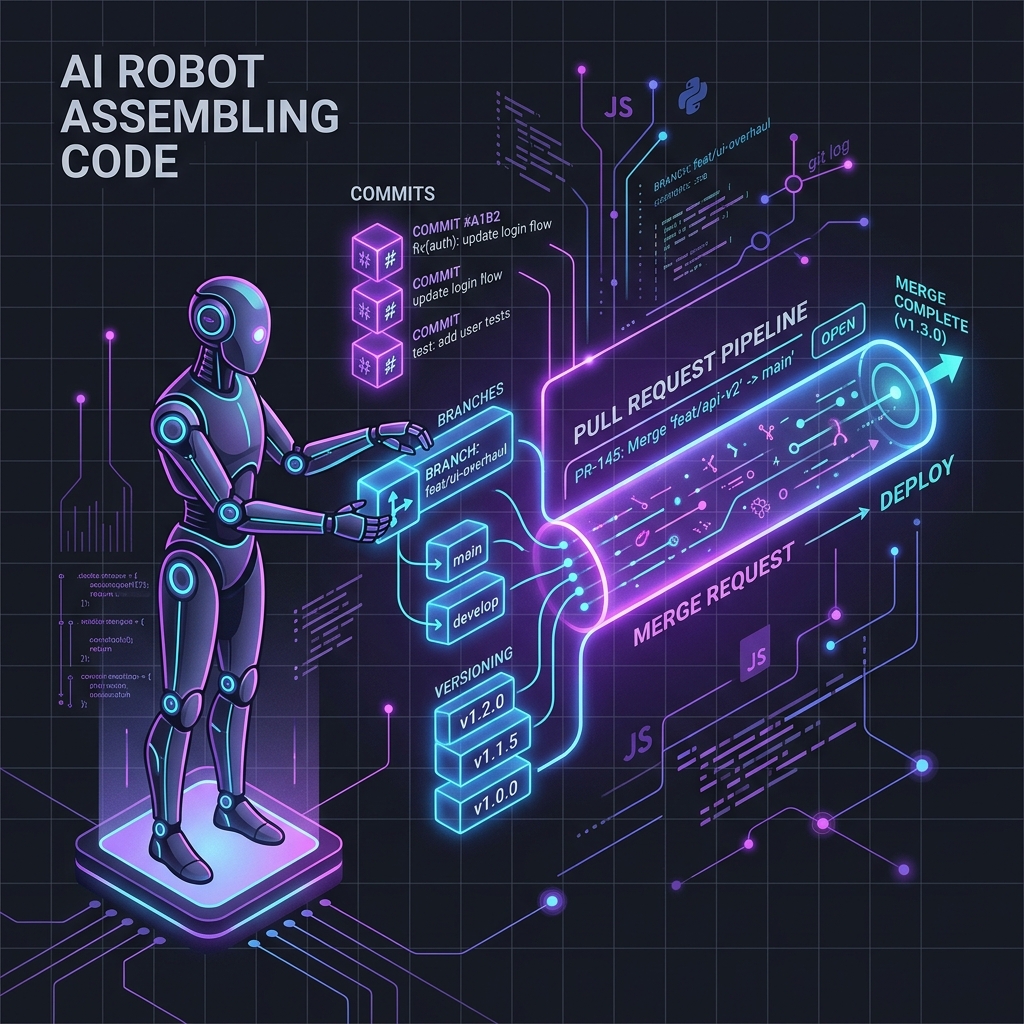
Learn how to build a local AI agent that autonomously commits code, manages versioning, and creates Pull Requests — complete with the exact system prompt and GitHub MCP setup.
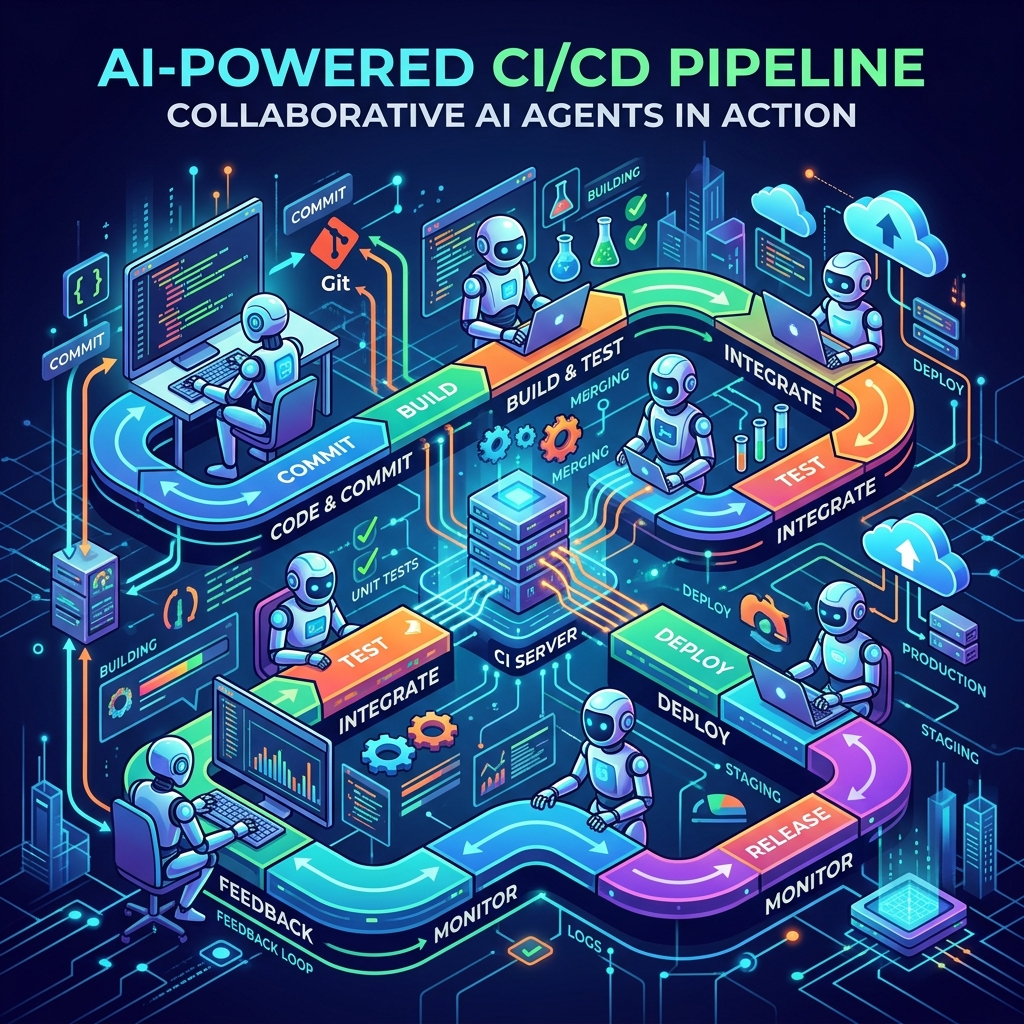
A practical look at how I integrated Claude Code and GitHub Copilot into our CI/CD pipeline to automate PR creation, targeted code reviews, and quality gates — recovering 6+ hours of manual overhead per engineer, per week.
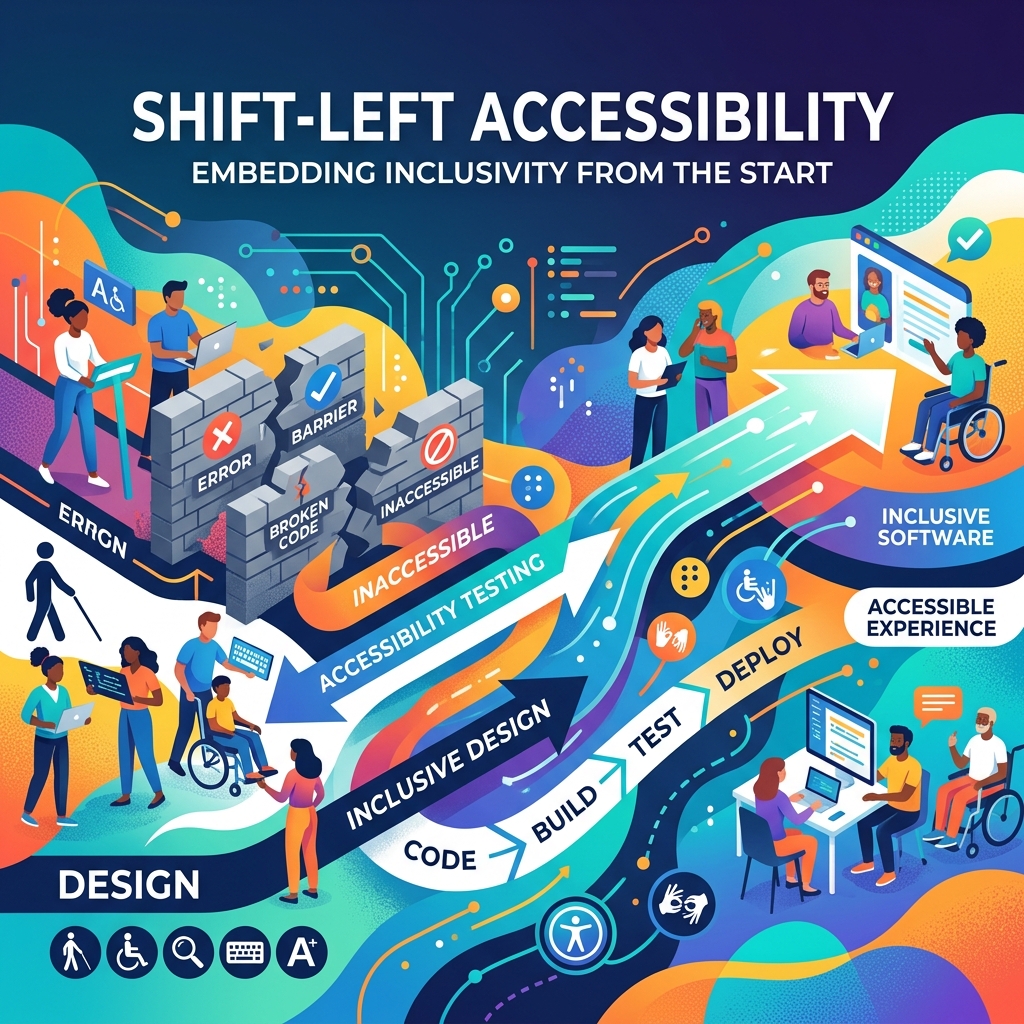
A practical guide to embedding accessibility checks directly into your CI/CD pipeline using ESLint, AI-based PR reviews, and 40+ engineering standards — so bugs never reach your users.
How we migrated ByajBook from a fragile monolith to a distributed microservices architecture on AWS ECS — cutting infra costs by 35% while keeping the lights on for 400K users.